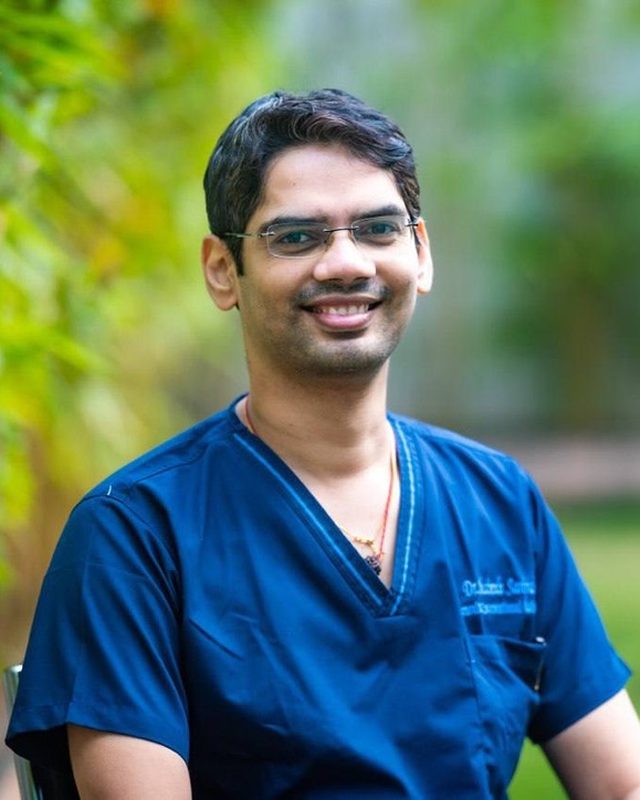
Dr. Chainulu SaripalliInterventional Radiology · Kukatpally & Nallagandla
Interventional Radiologist · Hyderabad

Treatment through a pinhole, not a scar.

Image-guided, minimally invasive care for varicose veins, uterine fibroids, leg artery blockages and blood clots. Most procedures are done under local anaesthesia, and many patients go home the same day.

MBBSDNB RadiologyEBIR
Dr. Chainulu Saripalli, Interventional Radiologist
Dr. Chainulu SaripalliMBBS · DNB · EBIR
No large cutsAccess through a needle puncture in the groin, wrist or leg
Local anaesthesiaFor most procedures, with no general anaesthesia needed
Day careMany patients go home the same day or the next morning
Quick recoveryMost people return to routine activity within days
About the doctor

Dr. Chainulu Saripalli

Dr. Chainulu Saripalli is an Interventional Radiologist practising in Hyderabad at Marwellus Clinics & Diagnostics, Kukatpally, and Citizens Specialty Hospital, Nallagandla. Interventional radiology uses live imaging such as X-ray (angiography), ultrasound and CT to guide fine needles, wires and catheters through blood vessels, so conditions that once needed open surgery can be treated through a tiny puncture.

His practice focuses on vascular and women's health conditions: varicose veins, uterine fibroids, peripheral artery disease, deep vein thrombosis and dialysis access. He believes every patient should understand all their options, surgical and non-surgical, before choosing a treatment.

MBBS
Bachelor of Medicine and Bachelor of Surgery
DNB
Diplomate of National Board, Radiodiagnosis
EBIR
European Board of Interventional Radiology, the CIRSE certification for interventional radiologists
Practice
Marwellus Clinics & Diagnostics, Kukatpally, and Citizens Specialty Hospital, Nallagandla
Treatments

Conditions treated without open surgery

Each treatment is planned after a clinical exam and an ultrasound, CT or MRI. Your consultation covers which option suits you, what to expect, and the alternatives.

Varicose veins

Bulging leg veins, heaviness, swelling, itching, skin darkening, non-healing ulcers

The faulty vein is closed from inside using laser (EVLA), radiofrequency (RFA) or medical glue, guided by ultrasound. Smaller veins are treated with sclerotherapy injections.

Local anaesthesiaWalk out same day

Uterine fibroids

Heavy or painful periods, pressure, frequent urination, caused by fibroids

Uterine Fibroid Embolisation (UFE) blocks the blood supply to the fibroids through a catheter in the wrist or groin, so they shrink. The uterus is preserved and no hysterectomy is needed.

Uterus-preserving1 night stay

Leg artery blockage (PAD)

Leg pain on walking, cold feet, non-healing foot wounds, especially with diabetes or smoking

Narrowed or blocked arteries are reopened with balloon angioplasty and, when needed, a stent. Restoring blood flow helps wounds heal and can prevent amputation.

Limb salvagePinhole access

Deep vein thrombosis (DVT)

Sudden swelling and pain in one leg, or clots that keep coming back

For selected patients, clot-dissolving or clot-removal procedures (catheter-directed thrombolysis or thrombectomy) clear the vein. They can reduce long-term leg swelling, and an IVC filter can be placed when needed.

Urgent careImage-guided

Dialysis access care

AV fistula or graft that is narrowing, clotting or giving poor flow during dialysis

Fistuloplasty (balloon angioplasty of the fistula) and declotting restore flow, so patients can keep using their existing access for dialysis.

Day careLocal anaesthesia

Varicocele embolisation

Dull scrotal ache, or varicocele found during fertility evaluation

The enlarged testicular vein is closed from inside with coils or sclerosant, through a small puncture. There is no incision in the groin.

No incisionWalk out same day

Enlarged prostate (BPH)

Weak urine stream, frequent night-time urination, in men with a large prostate

Prostatic Artery Embolisation (PAE) reduces the blood supply to the prostate so it softens and shrinks. It is an option for men who wish to avoid surgery.

No surgeryCatheter-based

Liver tumours and bleeding

Liver cancer, and internal bleeding from the gut, after trauma or after childbirth

Chemoembolisation (TACE) and ablation deliver treatment directly to liver tumours. Emergency embolisation stops internal bleeding through a catheter.

Targeted therapyEmergency service

Biopsies and drainages

Lumps that need a diagnosis, abscesses, fluid collections, blocked bile or urine flow

Ultrasound and CT-guided biopsies, abscess drainage, PTBD for bile and nephrostomy for kidney blockage, all done with a fine needle.

PreciseLocal anaesthesia

Whether a procedure is right for you depends on your condition and test results. Stay duration and recovery vary from person to person and are discussed at consultation.

Your visit

From first message to recovery

Share your reports

Send your scans, ultrasound or prescriptions on WhatsApp so they can be reviewed before you visit.

Consultation

Examination, an ultrasound if needed, and a clear explanation of every option, including surgery and medicines.

The procedure

Done in the cath lab under local anaesthesia, usually in under two hours.

Follow-up

A review visit and scan confirm the result. Questions are answered on WhatsApp in between.

Patient education

Understand your condition

Short guides written for patients and families. They explain, but they don't replace a consultation.

Varicose veins · 3 min read

Do varicose veins always need surgery?

Why veins bulge, and how they are treated today.

Leg veins have one-way valves that push blood back to the heart. When those valves weaken, blood pools and the veins stretch, twist and bulge. Standing jobs, pregnancy, family history and weight gain all raise the risk.

Most patients don't need open surgery (stripping) any more. Endovenous laser, radiofrequency ablation and glue close the faulty vein from inside through a needle puncture, and you walk out the same day.

  • Compression stockings help symptoms but don't fix the valve.
  • A venous Doppler ultrasound is the key test before treatment.
  • Treat early if you have skin darkening, eczema or ulcers.
Women's health · 3 min read

Fibroids: options before hysterectomy

Shrinking fibroids while keeping the uterus.

Fibroids are non-cancerous growths in the uterus. Many cause no trouble, but some lead to heavy bleeding, anaemia, pain or pressure on the bladder.

Uterine Fibroid Embolisation (UFE) blocks the tiny arteries feeding the fibroids through a catheter in the wrist or groin. The fibroids shrink over the following months and symptoms usually improve. The uterus stays in place, there is no abdominal cut, and recovery is usually about a week.

  • An MRI of the pelvis helps decide if UFE suits you.
  • Ask your gynaecologist and an interventional radiologist about all the options.
Diabetic foot · 3 min read

Leg pain on walking can be a blocked artery

Peripheral artery disease and limb salvage.

Calf or thigh pain that comes on with walking and eases with rest (claudication) is a common sign of narrowed leg arteries. Diabetes, smoking, high blood pressure and high cholesterol are the main causes.

When blood flow is poor, foot wounds heal slowly and infections spread. Angioplasty opens the artery with a balloon through a pinhole and can save the limb.

See a doctor soon if a foot wound hasn't healed in two weeks, toes turn dark or cold, or there is pain in the foot at rest or at night.
Blood clots · 2 min read

DVT: warning signs you shouldn't ignore

Recognising a clot in the leg.

Deep vein thrombosis is a clot in a deep vein, usually in the leg. It is more likely after surgery, long travel, bed rest, pregnancy, or with some medicines and cancers.

  • Swelling in one leg, often the calf
  • Pain or tightness, warmth and redness
  • Prominent surface veins
Go to an emergency department immediately if you have sudden breathlessness, chest pain or cough with blood. These may mean a clot has travelled to the lungs.
Is the procedure painful?

Most procedures are done under local anaesthesia, so you feel a small prick at the start. Some, such as fibroid embolisation, cause cramping afterwards, which is controlled with medicines.

How long will I stay in hospital?

Varicose vein and dialysis access procedures are usually day care. Embolisation procedures usually need one night. Your exact plan is discussed at consultation.

Is it covered by insurance?

Many of these procedures are covered by health insurance. The hospital insurance desk can confirm your policy before admission.

Can I send my reports before visiting?

Yes. Share your scans and reports on WhatsApp so they can be reviewed in advance. This can also serve as a second opinion.

Locations & contact

Where to consult

Consultation days and timings vary by location. Message on WhatsApp to confirm the next available slot.

Kukatpally · Clinic

Marwellus Clinics & Diagnostics

Consultations, ultrasound and Doppler scans, and follow-up visits.

Directions →
Nallagandla · Hospital

Citizens Specialty Hospital

Consultations and all procedures in the cath lab, including day care and overnight stays.

Directions →

Get in touch

WhatsApp / Phone
+91 91607 49403
Email
saripalliir@gmail.com
Instagram

For emergencies such as sudden breathlessness, chest pain or heavy bleeding, go to the nearest emergency department.

Request an appointment

This opens WhatsApp with your request filled in. Nothing is sent until you press send there.

WhatsApp